1303 Isengard Ct, San Jose, CA 95121Open 24/7 · Same-Day ServiceLicensed, Bonded & Insured · CSLB #1088937 · VerifyOpen 24/7 · Same-Day Service
Diamond Certified since 20214.9out of 5 on Google,960+ reviews
Home › Garage door parts › Garage Door Torsion Tubes
Garage door parts · Garage Door Torsion Tubes
Need Garage Door Torsion Tubes In San Jose fixed? Palms Garage Doors provides safe replacement, balancing, and spring system service with fast local help
Leave your details and we will call you back to talk through the door and the next step.
Or call (650) 600-6656, open 24/7
Palms Garage Doors supports properties in San Jose, CA with garage door torsion tube inspections. Torsion tubes support the spring system above the door and help transfer spring force so the door can lift and lower in a controlled way.

Palms Garage Doors supports properties in San Jose, CA with garage door torsion tube inspections. Torsion tubes support the spring system above the door and help transfer spring force so the door can lift and lower in a controlled way. We inspect tube condition, connected hardware, alignment, and balance to determine the right service for each property.
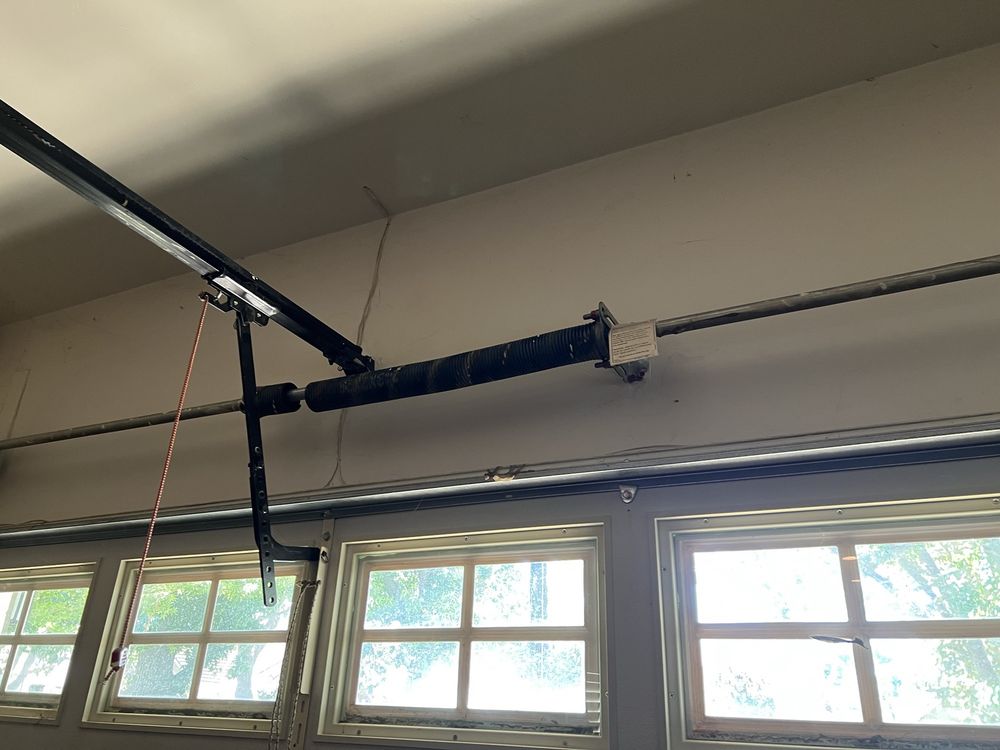
A torsion tube is the long metal tube mounted horizontally above the garage door opening. It runs through the torsion spring assembly and connects to cable drums near each end of the door. The tube works as part of the larger garage door torsion spring system.
When the garage door opens, torsion springs use stored tension to help lift the door’s weight. That force transfers through the tube, which turns the cable drums. The drums wind or unwind the lift cables, allowing both sides of the door to move together.
A properly working torsion tube helps the door rise straight and remain balanced. If the tube bends, shifts, slips, or binds at a bearing point, the door may move unevenly. The opener can struggle because it is not meant to lift the full weight of an unbalanced garage door.
If your door is suddenly louder, crooked during travel, or difficult to open manually, the torsion tube and its connected spring system deserve a careful inspection.
The torsion tube sits above the top section of the garage door and usually spans much of the opening width. You may see it behind a header, near the ceiling line, or above the horizontal tracks. A concern in this area may require garage door repair or inspection of related garage door parts.
Most sectional garage doors with a torsion spring system use this arrangement. The springs sit on the tube near the center or toward the ends, depending on the door setup. Cable drums fit on the tube closer to the bearing plates at each side.
As the tube turns, both drums should work in sync. Each drum manages the cable on its side of the door. That coordinated movement matters because the garage door needs even support across its full width.
If one side moves ahead of the other, the door can rack or twist. A racked door may bind in the tracks, create scraping sounds, or stop before reaching its normal open position. The trouble may involve the tube, but it can also come from a loose drum, damaged cable, worn bearing, track issue, spring problem, or door section damage.
A torsion tube concern can show up through changes in movement, noise, cable position, or door balance. No single sign proves that the tube itself has failed, so a full inspection is the safest way to identify the source. Related garage door maintenance can also help identify wear before movement problems become more serious.
A bent tube can interfere with smooth rotation. A tube that has shifted can affect drum placement and cable tracking. Worn bearings can create drag that feels like a tube problem. A broken spring can leave the tube assembly unable to assist with lifting properly.
Do not assume the opener is at fault just because the door will not open. An opener may be reacting to excess door weight or resistance created elsewhere in the torsion system. A technician may also review the garage door opener after checking the door and tube assembly.
Loose or uneven lift cables can be a warning that the tube, drums, springs, or door alignment need professional review. Cables carry door weight and remain connected to components under high tension. A damaged cable may require garage door cable replacement.
A cable that slips from a drum can leave one side of the door unsupported. The door may become crooked in the opening or jam in the tracks. Continuing to run the opener can worsen the issue.
If you notice a cable off the drum, avoid operating the door. Keep people clear of the opening and contact Palms Garage Doors for an inspection.
Noise above the garage door may come from tube related hardware, though the exact cause requires a closer look. Dry or worn bearings, drum contact, a misaligned tube, spring movement, and loose mounting hardware can all create noise. In some cases, noisy garage door repair can address the related condition.
The sound matters most when it appears with other changes. Does the door shake. Does one cable look different from the other. Has the door become harder to lift. Sharing these details during your service call helps the technician focus the inspection.
Torsion tube issues often develop from wear, impact, alignment changes, or trouble in connected spring hardware. The tube is exposed to repeated rotation every time the garage door opens or closes. A complete garage door service visit can help identify the source.
A garage door that has taken an impact can affect the whole upper system. Contact from a vehicle, stored items, or an object striking the door may bend a section, shift tracks, or put uneven force on the cables and tube assembly.
A steel tube can appear sound from the floor while still having an alignment issue. Small changes can affect how smoothly the bearings and drums work. Visual checks are useful, but they cannot replace a hands on evaluation of the entire system.
Torsion tubes vary based on the door system they support. The correct setup depends on the garage door’s width, weight, spring arrangement, cable drums, bearing supports, and mounting layout. Heavier or more frequently used doors may require specialized commercial garage door repair.
Many residential doors use a torsion tube with one or two springs. Larger or heavier doors may use a different spring arrangement, more support points, or different drums. Commercial doors can have more complex torsion assemblies because of their size, usage pattern, and operating demands.
The tube itself may be steel with a plain or coated finish. Its diameter, wall thickness, length, shaft ends, and hardware fit must match the existing system. A tube that looks similar may not fit the bearing plates or work properly with the correct drums and springs.
| Tube assembly factor | Why it matters |
|---|---|
| Tube diameter | It must fit the bearings, springs, and cable drums correctly |
| Tube length | It must span the opening and place drums in the correct positions |
| Spring setup | Spring placement and inside fit affect how force transfers through the tube |
| Drum type | Drums must match the lift cable arrangement and door system |
| Bearing supports | Supports must hold the tube in proper alignment while allowing rotation |
| Door weight and height | These affect the spring and drum arrangement connected to the tube |
A technician does not select a replacement tube by length alone. The full assembly must work together so the door can lift evenly and the opener is not forced to compensate for a poor balance condition.
Correct matching keeps the torsion tube, springs, drums, and bearings working as a coordinated assembly. A mismatched tube can create fit problems at the support points or place cable drums in the wrong location. The correct part may be reviewed alongside other garage door shafts.
The goal is not simply to replace metal with metal. The objective is to restore a properly matched torsion assembly that supports controlled door movement.
If a tube is straight and structurally sound, replacement may not be needed. A worn bearing, loose support, cable issue, or failed spring may be the actual reason the system is not operating correctly. Inspection helps separate the damaged part from the parts affected by the damage.
Service needs depend on the tube’s condition and the condition of the connected torsion system. Some concerns involve alignment or related hardware, while others call for a correctly matched replacement part. A broader garage door service assessment can determine the appropriate option.
Adjustment may apply when the tube is intact but its supports, drum positions, or connected components need correction. This work must be handled carefully because torsion spring systems store substantial energy.
Repair may be possible for certain mounting, bearing, or hardware concerns. The technician will check whether the parts can be restored to safe, stable operation. Not every issue is repairable, especially if the tube is bent, cracked, severely worn, or no longer holds proper alignment.
Replacement may be recommended when the tube cannot rotate smoothly, has physical damage, does not fit its support points correctly, or has been affected by a failure that compromised its condition. A replacement tube must be selected with the full door system in mind.
If you manage a property with several garage doors, record which opening has the issue, whether the door is residential or commercial, and what you have observed. That information can make the inspection more efficient.
A professional inspection checks the torsion tube as part of the full lifting system above the door. The technician looks beyond the most obvious symptom to find out what is affecting safe operation. If a spring has failed, the visit may also involve broken spring replacement.
If replacement is appropriate, the technician will match the replacement assembly to the door’s existing requirements. Because the tube connects to tensioned springs and weight bearing cables, this is not a safe do it yourself task.
After work is completed, the service visit may include checks for smooth travel, even cable movement, proper tube alignment, controlled operation, and normal opener response. The door should move without unusual strain or one sided lifting.
Garage door torsion tubes are connected to springs and cables under high tension. A tube concern can become dangerous if the door is operated while cables are loose, a spring is broken, or the door is visibly crooked. Emergency garage door repair may be appropriate when the opening cannot be secured safely.
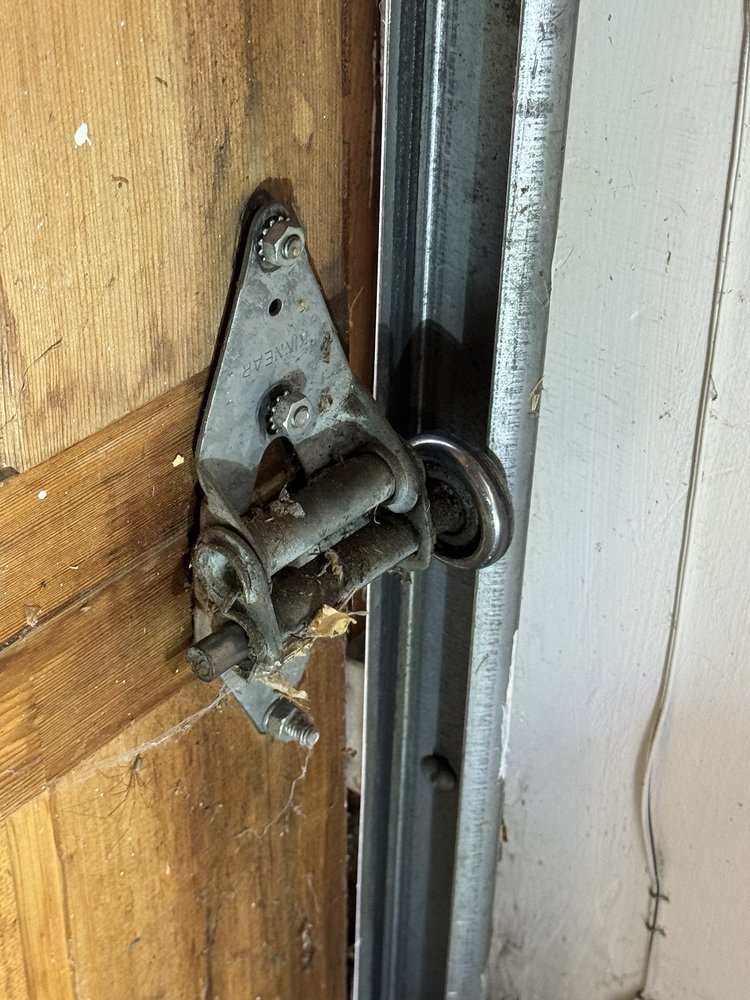
Do not attempt to remove, loosen, reposition, or disconnect the tube, springs, drums, cables, or brackets. These parts can move suddenly when tension is released or shifted. Injuries and property damage can occur without warning.
A garage door can weigh far more than it appears to weigh. The torsion system helps manage that weight, which is why tube and cable issues should be treated seriously.
Preparing for a torsion tube service visit does not require any repair work. A few safe observations can help Palms Garage Doors understand what happened without placing you near tensioned hardware. You can also review garage door troubleshooting information without attempting a repair.
Do not try to test door balance if there is a loose cable, broken spring, bent tube, or visibly uneven door. Let a trained technician assess the condition safely.
Garage door torsion tubes in San Jose can be affected by normal daily use, moisture exposure, dust, and changing garage conditions. While San Jose, California has a generally mild climate, garages can still collect moisture, airborne debris, and residue that affect exposed metal hardware over time. A regular maintenance plan may help identify developing concerns.
A garage near irrigation, damp storage areas, or frequent open door use may have more moisture contact around bearings, springs, and tube surfaces. Corrosion can make inspection more urgent, especially where metal parts rotate or meet support hardware.
Dust and debris can also build up around the upper door system. They do not usually bend a tube, but they can make it harder to notice developing issues at bearing plates, drums, and springs.
A periodic visual look from the floor can help you spot obvious cable changes, rust, or unusual tube position. If something looks different, arrange an inspection rather than trying to correct it yourself.
Palms Garage Doors focuses on the actual condition of the torsion tube assembly rather than treating every movement issue as the same problem. The service approach considers the tube, spring system, drums, cables, bearings, door balance, and opener load together. Related garage door cables and garage door bearings can be reviewed during the same evaluation.
That broader check matters because a crooked door may start with a cable issue, while a noisy upper assembly may involve a bearing or support point. Replacing a tube without identifying the source of the problem may not restore proper operation.
For homeowners, property managers, and business owners, clear information matters. Palms Garage Doors can explain what was found, which connected parts are affected, whether adjustment or replacement is appropriate, and what checks are performed after service.
The aim is a garage door that lifts evenly, runs with controlled movement, and places a normal load on the opener. If a suitable replacement is needed, the part should fit the specific torsion system rather than being chosen by appearance alone.
Garage door torsion tubes in San Jose need careful attention when the door is noisy, uneven, heavy, or showing cable problems. Do not operate a garage door with a loose cable, bent upper hardware, or a suspected spring system failure.
Call Palms Garage Doors at (650) 600-6656 to discuss your garage door torsion tube concern in San Jose, CA. You can also contact Palms Garage Doors to request service and arrange a professional inspection.

When the opener makes noise but the door does not move, the issue could involve the opener, drive system, or door balance.

Most homes need professional garage door service once a year, plus brief monthly safety checks. More frequent use or warning signs can call for service sooner.

Daylight, water, dust, leaves, and pests near a closed garage door can point to a worn seal or a door that needs adjustment.
Reviews
Live Google reviews from homeowners across the Bay Area.
Questions


Free · No obligation
Tell us about the door and we will get back to you.
Call now or book online. A licensed technician will look at the door and quote in writing first.