1303 Isengard Ct, San Jose, CA 95121Open 24/7 · Same-Day ServiceLicensed, Bonded & Insured · CSLB #1088937 · VerifyOpen 24/7 · Same-Day Service
Diamond Certified since 20214.9out of 5 on Google,960+ reviews
Home › Services › Spring replacement
Spring replacement · San Jose & the Bay Area
A broken spring leaves the door heavy, stuck or crooked. Palms replaces the failed spring with a matched part, sets the tension and balances the door by hand before we leave.
Leave your details and we will call you back to talk through the door and the next step.
Or call (650) 600-6656, open 24/7
What should I do when a garage door spring breaks? Stop using the opener, leave the door closed and keep clear of any hanging cable. Then call a licensed technician. Palms removes the broken spring, installs a correctly matched replacement, sets the tension, checks the cables, drums and bearings, and tests the balance through the full travel of the door. You get the quote in writing before work starts.
The springs do most of the lifting. The opener only guides the door. When a spring breaks, a door that felt light suddenly feels like dead weight, and the opener strains or reverses.
Replacing a spring means releasing the remaining tension safely, removing the failed spring, fitting a properly matched one and setting the tension again. We also check the cables, drums, bearings and brackets that work with it, because a worn part there makes the door bind or lift unevenly.
A loud bang from the garage, like a dropped ladder, is the classic sign. The quieter ones are easy to miss.
A sharp crack from the garage, often followed by a door that will not move.
The opener runs but the door rises only a few inches, then stops or reverses.
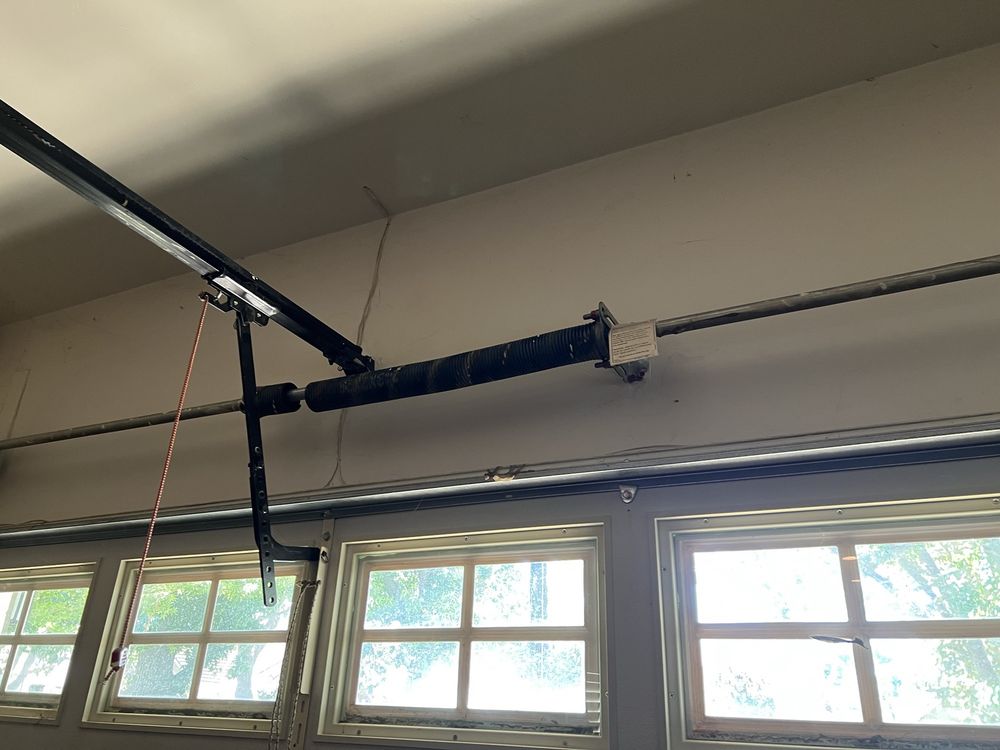
A gap in the coil of the spring above the door.
A cable hangs near the track or sits off the drum.
One side hangs lower, or the door feels far heavier when lifted by hand.
The motor tries, then stops or reverses without lifting the door.
Springs store a lot of energy. If the door is stuck halfway, looks racked to one side, or a cable is frayed or off the drum, do not force it and do not bump it with the remote. If you need the car out, call us first: a door that binds or tilts should not be lifted by hand.
Emergency garage door repairTorsion springs hold dangerous tension, so this is not a do-it-yourself job. A typical visit follows the same order every time.
We confirm the spring type, door size, track setup and hardware condition.
We secure the door, disconnect the opener if needed and release the tension safely.
We check the shaft, center bracket and bearings as the old spring comes out.
The replacement is matched to the weight, height and drum type of your door.
We set the tension, align the shaft and seat the cables evenly on the drums.
We test balance by hand, reconnect the opener, check its travel and safety reversal, and walk you through what we did.
Every door is different, which is why the quote is written after we have seen the door. These are the things that shape the work:
Width, height, construction and windows decide the spring that will balance it.
Torsion springs sit above the door on a shaft. Extension springs run along the side tracks.
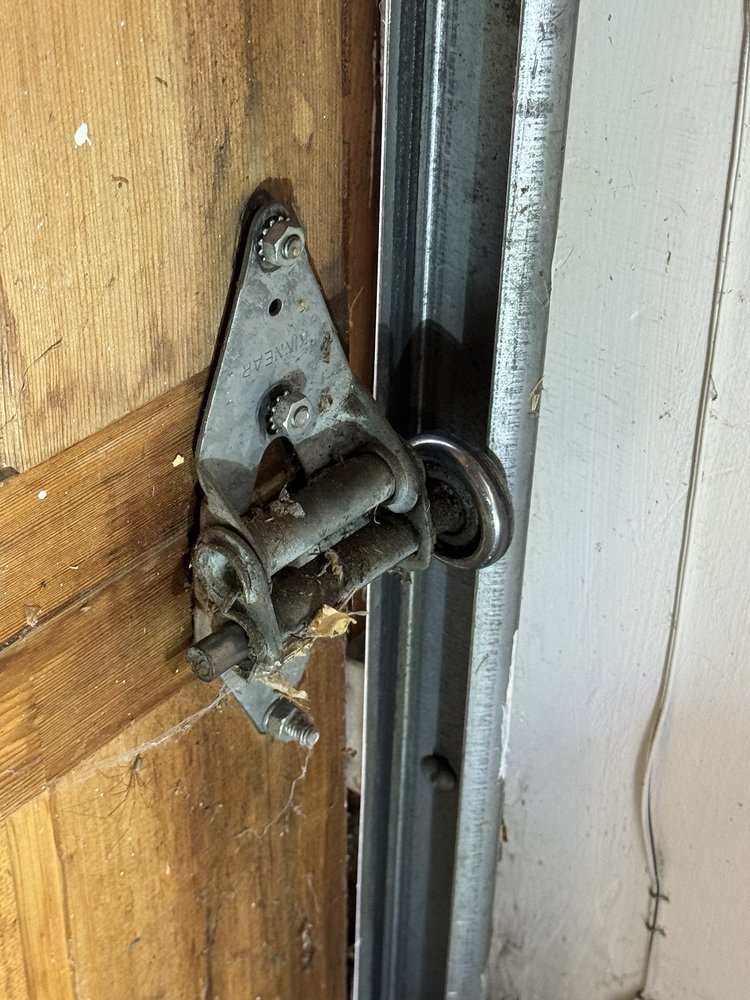
Cables, drums, bearings, rollers and the center bracket are checked and noted.
Rusted set screws, a cable wedged behind the track or a bent top section can add work.
A wrong-size spring from a past repair has to be corrected for the door to balance.
On a two-spring door we explain what your system calls for before we start.
Full guide

Watch video 1 on YouTubeWatch video 2 on YouTube
Broken Spring Replacement in San Jose gets your garage door lifting safely again by replacing the failed spring and resetting the counterbalance system. Palms Garage Doors handles Broken Spring Replacement in San Jose with correct spring matching, careful tensioning, and a full balance check. Broken Spring Replacement in San Jose also includes testing the door by hand, then confirming the opener runs smoothly.
Broken Spring Replacement restores the lifting power your door depends on. A garage door spring does most of the heavy lifting, even if the opener gets all the credit. When a spring breaks, the door can feel like it suddenly gained a few hundred pounds overnight.
Broken Spring Replacement means removing the failed spring, installing a properly matched replacement, and setting the correct tension. We also check the cables, drums, bearings, and brackets that work with the spring. If any of those parts are off, the door can bind, lift unevenly, or wear parts faster.
Does your door stop after a few inches, or does the opener strain and reverse. That is often the spring system telling you it is done working. If you need help diagnosing the behavior, our Troubleshooting guidance can help you decide what to do next.
You can usually spot a broken spring by a few clear signs. A broken spring often announces itself with a loud bang that sounds like a dropped ladder or a slammed door. After that, the door may not move, or it may move in a jerky, uneven way.
If you see a cable off the drum or the door is sitting crooked, stop operating it. Continuing to run the opener can turn a spring issue into a cable, drum, or track problem, and may lead to broader garage door repair needs.
Most springs break from normal wear, but extra strain speeds it up. Springs wear a little every time the door goes up and down. That is normal. What changes the timeline is how hard the system has to work each cycle.
If your door has been getting louder over time, pay attention. Regular garage door maintenance can reduce friction and slow wear, especially in California and in CA coastal and valley weather patterns where lubrication changes with temperature.
Broken springs are dangerous because the system stores serious tension. Springs are loaded with energy so they can lift a heavy door. If the door drops or a tool slips while tension is being handled, injuries and property damage can happen fast.
Need to get a car out right now. If the door is fully closed and looks straight, two adults may be able to lift it carefully after disconnecting the opener. If it binds, tilts, or the cables look uneven, do not force it. If you are in a hurry or the door is unsafe, consider emergency garage door repair.
For general background on why springs are hazardous to handle under load, see spring.
We start each visit by confirming the spring setup and making the door safe to work on. Our first job is controlling the door so nothing shifts unexpectedly. Then we confirm what the door actually needs, not what a generic spring chart might guess.
We will tell you what we see and what we are doing as we go. If something is worn, we will show you the part and explain what it affects. If the door needs more than a spring, we can review options under garage door service.
Correct spring matching prevents opener strain and uneven door movement. A spring is not just a spring. The right match depends on the door’s weight, height, drum type, track radius, and lift configuration. If the spring is too strong, the door can jump up or refuse to close smoothly. If it is too weak, the opener ends up doing the lifting job and wears out faster.
Have two torsion springs and only one broke. Many doors lift best with matched springs so both sides carry the load evenly. We will explain what your system calls for based on how the door is built and how it is set up. If opener strain is part of the problem, we can also review garage door opener support once the door is balanced.
We inspect related hardware because spring failure can trigger other issues. When a spring snaps, cable tension changes instantly. That shift can expose weak points in the rest of the counterbalance system. If those parts are ignored, the new spring has to fight extra friction and misalignment.
If your door has been shaking, rattling, or squealing, that is often friction, not just an old door. Keeping up with garage door maintenance helps prevent repeat stress after the new spring is installed.
Torsion and extension springs both work, but they fail and get replaced differently. Most homes use torsion springs above the door on a steel shaft. Some setups use extension springs along the sides. Both systems balance the door, but the parts and steps differ.
| Spring system | Where you’ll see it | Common failure clue | What we focus on during replacement |
|---|---|---|---|
| Torsion spring | Above the door on a shaft | Visible spring gap, loud bang, heavy door | Correct spring sizing, cable wrap, shaft alignment, balance test |
| Extension spring | Along side tracks | Uneven lift, stretched or separated spring | Pairing springs, safety cable presence, even lift, pulley condition |
Not sure which system you have. Look above the door first. If you see a coil on a bar, that is torsion. If you would rather have a technician confirm the setup, schedule Broken Spring Replacement service.
Most broken spring appointments can be completed in one visit, if the door is in stable shape. Spring replacement is usually direct work when the door, tracks, and cables are still in good condition. Extra time can be needed if the break caused the cables to jump, or if older hardware is seized or damaged.
If we find a second problem, we will explain what it is and why it matters before any next step. In some cases the fix extends into broader garage door repair so the door stays safe and balanced.
You should stop using the opener right away if the door feels heavy or uneven. Continuing to run the opener with a broken spring can burn out gears, bend the rail, or pull the door out of alignment. The opener is built to guide a balanced door, not deadlift one.
Ask yourself this would you rather deal with one broken spring, or a broken spring plus a door that came off track. If the situation feels urgent, emergency garage door repair may be the safest path.
Preparing the area before we arrive helps the repair go faster and safer. A little space goes a long way because spring work happens at the header area above the door and along both tracks. You do not need to clear the whole garage, just the work zone.
If your door is closed and stuck, that is okay. Many spring failures happen with the door down, and that is often the safest position to start from. If you want long term prevention after the repair, ask about a Maintenance Plan.
After replacement, basic care keeps the door quieter and reduces wear. Once the door is balanced again, your goal is to keep friction low and movement smooth. Most problems return when the door starts binding and the spring system has to work harder than it should.
If the door starts reversing or stopping in the same spot each time, that can point to binding, sensor alignment, or opener settings. Catching that early often prevents another call for garage door repair.
San Jose conditions create a few common spring and door wear patterns. San Jose, CA homes often use the garage as the main daily entrance, which increases door cycles. More cycles mean more wear on springs, rollers, and hinges. Temperature changes also affect lubrication and how parts sound and move.
Do you use your garage door like a front door. Many people do. That convenience is great, right up until the spring decides it is taking the day off. For ongoing reliability, consider periodic garage door maintenance.
Palms Garage Doors focuses on clear communication and correct setup, not quick shortcuts. A spring swap is only done when the door is balanced by hand and moves smoothly through the full range. We take the time to set tension correctly, seat cables evenly, and confirm the opener is not fighting the door.
Got questions while we are there. Ask them. Garage doors look simple until you see how many parts have to agree with each other. If you are also planning a new door, we can help with garage door installation.
Broken Spring Replacement is the right next step when your door will not lift or feels like dead weight. A broken spring rarely fixes itself, and the opener cannot replace what the spring does. If your door is heavy, crooked, or stuck, it is time to stop using it and schedule service through our garage door service team.
For Broken Spring Replacement in San Jose, contact Palms Garage Doors. Call (650) 600-6656 or use our Contact Us page to schedule service and get your door moving safely again.

When the opener makes noise but the door does not move, the issue could involve the opener, drive system, or…

Most homes need professional garage door service once a year, plus brief monthly safety checks. More frequent use or warning…

Daylight, water, dust, leaves, and pests near a closed garage door can point to a worn seal or a door…
Blog topics: Garage Door OpenersGarage Door Maintenance
Reviews
Live Google reviews from homeowners across the Bay Area.
Questions


Free · No obligation
Tell us about the door and we will get back to you.
Call now or book online. A licensed technician will look at the door and quote in writing first.